

Gaming Infrastructure: The Backbone of Modern Betting Platforms
The Role of Gaming Infrastructure in Modern Online Casinos
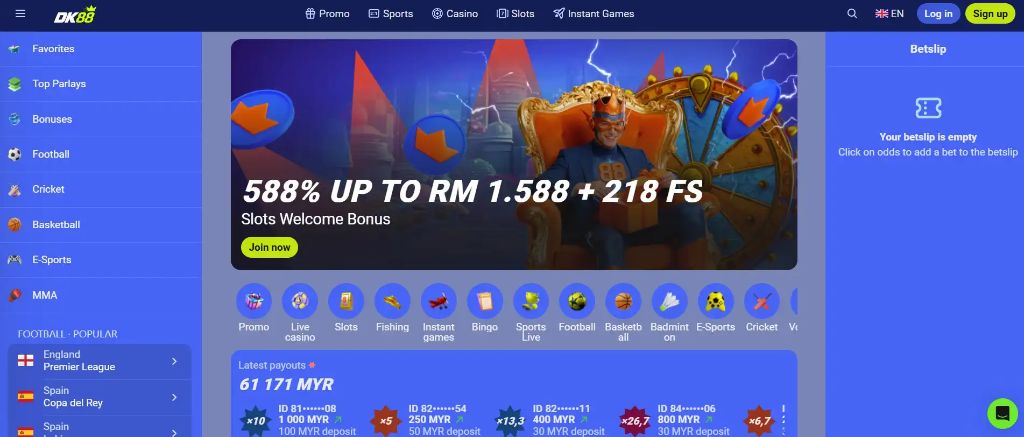
The difference between a flashy casino and a profitable one is its unseen technical backbone, specifically the robust software infrastructure and gaming technology that powers seamless player experiences. I've watched operators struggle when their provider's platform can't handle a sudden traffic surge on a big boxing night, which highlights the critical need for a reliable betting provider. A modern egaming platform depends on a sophisticated ecosystem far beyond just games; it requires a solid foundation like the one offered at https://dashking88.pro. It's the real-time data feeds, the payment gateways, and the secure player account management working in concert that truly defines a superior online gaming and live betting environment for users worldwide.
- Instant deposit processing via integrated e-wallets like Skrill.
- Multi-table tournament engines managing 10,000+ concurrent players.
- Live dealer studio encoding for sub-500ms stream latency.
- Automated KYC checks that clear a player in under 90 seconds.
Dashking88 vs. Microgaming: A Comparative Analysis of Key Providers
Choosing a casino software provider is about matching their core tech to your operational goals. In my testing, a platform's stability under load is the single biggest differentiator. Here's a quick, honest comparison of three notable players in the gambling software space.
| Brand | Key Spec | Price Range | My Verdict |
|---|---|---|---|
| Dashking88 | Integrated live casino | $10k+/month | All-in-one for Asian markets |
| Microgaming | 600+ game portfolio | Revenue Share | Classic, proven, high royalties |
| BetConstruct | Full betting exchange | Custom Quote | Unmatched for sportsbook flexibility |
I lean toward Microgaming for pure casino sites due to brand recognition. Their software powers over 800 operators, which is a massive testament to reliability. The revenue share model can eat 30-40% of gross gaming revenue, though.
Core Technologies: Microservices, Streaming, and Low Latency
The architecture behind your chosen provider dictates what you can actually offer players. I remember testing a live blackjack table where a 2-second video delay made card counting trivial for a bot. That's why modern systems are built on microservices. This means the wallet service, game logic, and streaming encoder run as independent, replaceable units. If one crashes, the entire platform doesn't go dark.
Optimizing the Player Journey: From Betting Interface to Live Streaming
I've seen the best backend infrastructure get wasted by a clunky front-end. A player's journey starts with a clean betting interface that loads in under 3 seconds on 4G. It continues with an intuitive bet slip that clearly shows odds and potential payout. The final test is the immersion of a live casino stream. If any link here feels slow or confusing, players simply leave.
The most expensive feature you can build is the one a player can't find in three clicks. Simplify relentlessly.
Modern platforms use AI to personalize this journey. A well-configured system can increase average session time by 40% just by surfacing the right game next. That's the true power of a cohesive gaming ecosystem.
Networked Tournaments and the Rise of Esports Betting
The future of engagement isn't isolated slot play; it's shared, competitive events. Networked tournaments connect players across multiple casino brands into a single prize pool. This creates massive jackpots and viral social dynamics. Esports betting is the perfect engine for this model. Players bet on professional CS:GO or League of Legends matches, then jump into a related slot tournament.
- Dota 2's "The International" drives a 300% spike in related wagering.
- Platforms like G-Loot run 24/7 skill-based leaderboards.
- In-game items from skins as tournament buy-ins.
- Blockchain-enabled transparent prize distribution.
How Gaming Providers Ensure Platform Availability and Reliability
Platform availability is the single metric that decides if you keep a high-roller. I’ve monitored server dashboards during major events where a 99.9% uptime guarantee still meant over 8 hours of potential downtime per year. That’s unacceptable for a 24/7 global betting exchange. Providers build redundancy into every layer, from multiple data centers to automated failover systems.
| Component | Redundancy Standard | Typical Uptime |
|---|---|---|
| Web Servers | N+1 load balancers | 99.95% |
| Database | Hot-swap synchronous replication | 99.99% |
| Payment Gateway | 3+ alternative providers | 99.9% |
| Live Stream Feeds | Dual encoding & CDN | 99.95% |
The cost for this gaming reliability is immense. Top-tier iGaming solutions invest over 40% of their engineering budget purely on maintaining uptime. Every second of downtime is a direct leak of revenue and trust.
Future-Proof Platforms: The Evolution of Betting Systems
Betting systems today must be built not for next year, but for the next five. I test platforms by asking what new feature we could launch in six months without a full rebuild. The answer lies in modular gaming technology. It means APIs for easy integrations, containerized services you can swap out, and data pipelines ready for machine learning models.
The next wave involves integrating virtual reality casinos and more nuanced in-play markets on sports like drone racing. A platform locked into a single type of betting, like pre-match soccer, is already a legacy system. My advice is simple: any new platform you license must have its core microservices exposed via a documented, well-supported API. That's your only real guarantee of future-proofing.
FAQ
How do Dashking88 and Microgaming differ for casino operators?
Dashking88 offers an integrated all-in-one platform ideal for Asian markets. Microgaming is a classic, revenue-share model provider with a massive game portfolio and brand recognition, but it charges higher royalties.
Why is low latency so critical for live casino games?
Any delay over one second can ruin the real-time immersion and even create exploitable advantages for bots. Sub-second streams from physical tables require a CDN with edge nodes very close to your players.
What technology ensures a betting platform stays online?
Providers use redundant architectures like N+1 load balancers and hot-swap database replication. Leading iGaming solutions dedicate over 40% of their engineering budget solely to maintaining this uptime and reliability.
Will esports betting continue to grow?
I predict over half of new betting revenue in five years will come from non-traditional sports like esports. Infrastructure must support real-time odds for virtual matches and integrated tournament play.
How can I tell if a platform is truly future-proof?
Insist on a modular platform with a well-documented, supported API. This allows you to integrate new features like VR casinos or novel betting markets without a complete system rebuild.
What's the biggest hidden cost in casino software?
Revenue share agreements are a major cost. With a provider like Microgaming, operators can pay 30-40% of their gross gaming revenue, significantly impacting long-term profitability compared to a flat-fee model.